Thymosin Alpha-1 Research
New T cells? A Thymosin Alpha-1 research puzzle
A marker of new immune-cell output rose in an HIV pilot. The total CD4 count showed no significant difference. Where did that extra activity lead?
New-cell output, depleted immunity and the unfinished work of recovery.
Persistently low CD4 counts
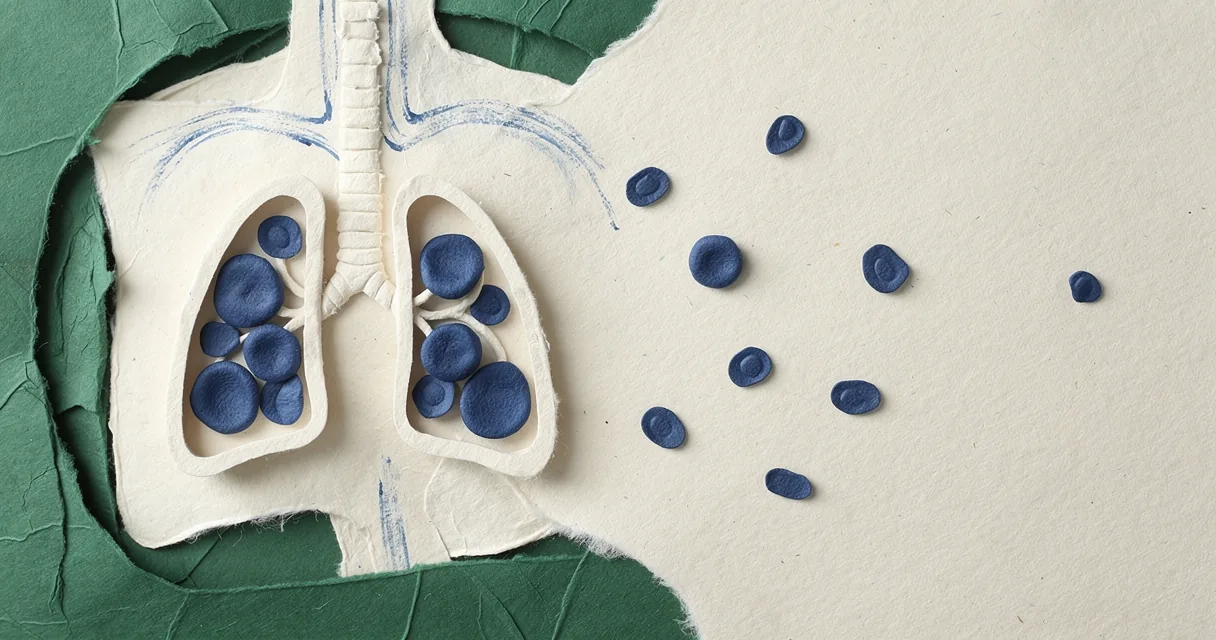
The people in the pilot were already taking HIV medicines, yet their CD4 counts remained low. After 12 weeks of Thymosin Alpha-1, sjTREC levels rose significantly compared with controls. That awkward abbreviation names a marker of output from the thymus, where T cells mature. The absolute CD4 count, meanwhile, showed no significant difference between groups at 12 weeks.
My guess before opening the pilot was that replacing cells would show up in the CD4 count. Its actual result is stranger: evidence of activity at the source without a clear change in the overall count. The split gives “reconstitution” a more demanding meaning. Rebuilding an immune system has to involve more than a promising blood marker.
This was a small pilot in people with HIV receiving antiretroviral therapy. Its finding gives the next experiment something to investigate; it leaves the size and usefulness of any clinical benefit unresolved.
The thymus and its new arrivals
Thymosin Alpha-1 is a 28-amino-acid peptide, a short chain of protein building blocks. It was isolated from calf thymus and sequenced in 1977. The synthetic version used in clinical work is thymalfasin.
The thymus connection makes immune renewal a reasonable place to begin. Even so, producing cells, helping them function and controlling their response are different biological jobs. Experiments with mouse and human dendritic cells and in mice found immune activation alongside an IDO-dependent regulatory response. IDO is an enzyme involved in breaking down tryptophan; here it helped create conditions favouring regulatory T cells.
I picture a replenished immune system as a working population, with useful newcomers and enough restraint to avoid damage. That is an ambition suggested by the biology. The experiments still have to establish what happens in an ill person.
From cell recovery to illness
The HIV question leads to T-cell recovery after blood stem-cell transplantation and antibody responses to a flu vaccine in people on haemodialysis. These are specific situations in which the immune response was under strain. They deserve their own discussion, which continues in the immune-reconstitution research.
Elsewhere, the record changes character. Hepatitis B combination studies reported better virological responses. The large TESTS sepsis trial found no significant reduction in 28-day mortality. I distrust a blanket claim about immune renewal drawn from such different illnesses.
The benefits page follows the illness outcomes. Effects and safety deals with tolerability and the anecdotal accounts of fewer colds or steadier energy. Those everyday accounts are not clinical evidence.
Thymalfasin regulatory history
Thymalfasin has a clinical history abroad, described in the comprehensive literature review. Thymosin Alpha-1 is not FDA-approved in the United States. Compounded medicines are not FDA-approved either.
The new arrivals brought me here; the harder question is whether their appearance helped the people being studied. The molecule guide untangles TA1 and the other thymosin names; the dosage record describes what researchers actually administered.